-
Contact Info
- Arusha - Tanzania
- +255 783 906 061
- info@oroktravels.com
- 24/7 Open
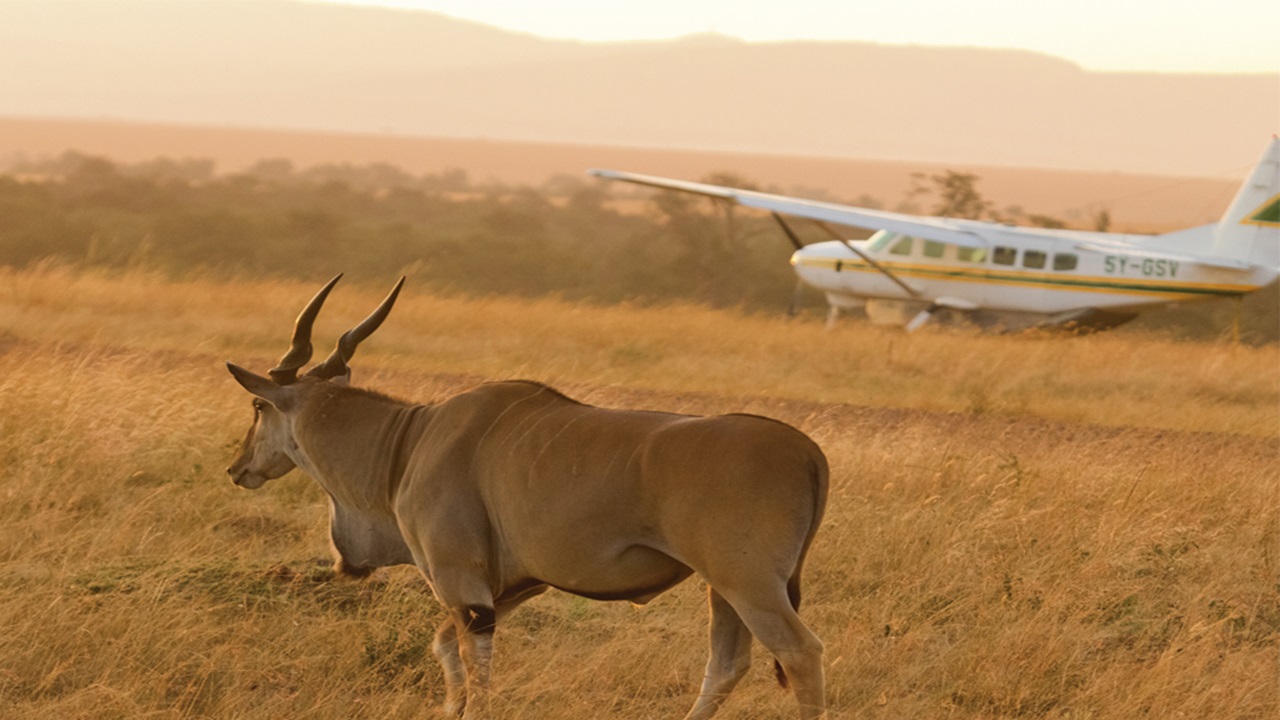
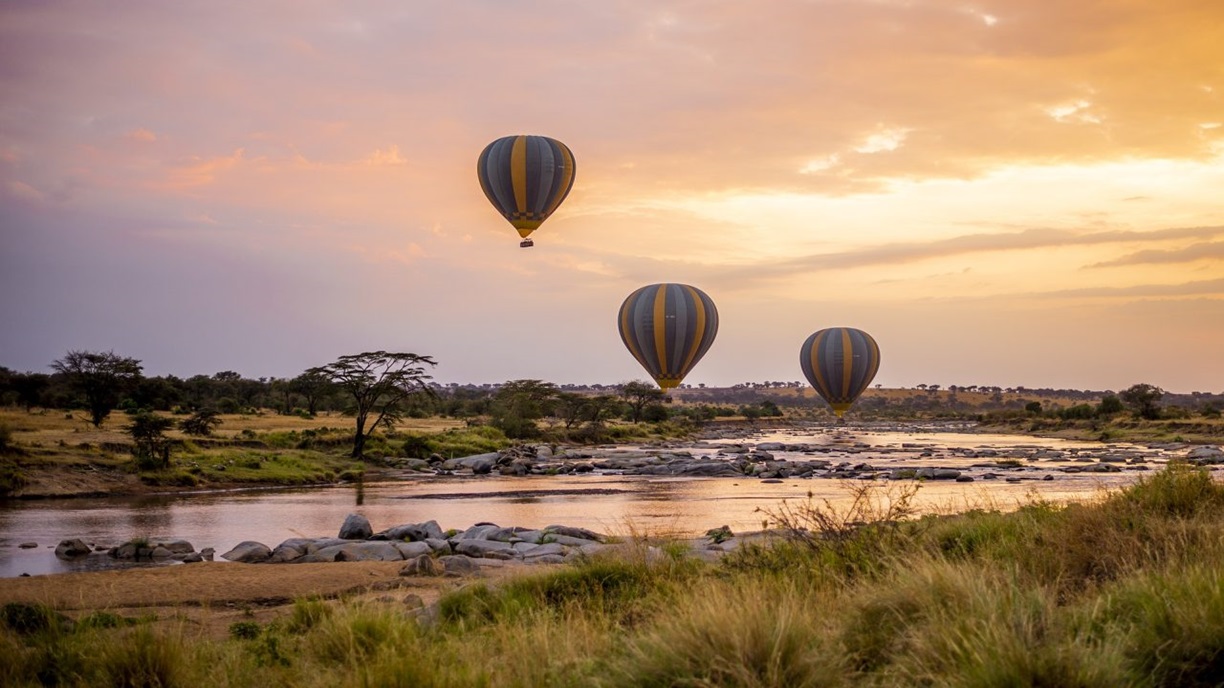
East Africa’s scale is best understood from the air. A fly-in safari lifts you above distance and terrain — linking remote wilderness areas with precision, and placing you directly where the experience matters most.
From the Serengeti and Maasai Mara to the isolated expanses of Katavi, Nyerere, and the northern reaches of Kenya, light aircraft traverse landscapes that would otherwise require long overland journeys. Below, rivers carve through plains, herds move in slow formation, and the geometry of the wild reveals itself in quiet clarity.
The transition is immediate. You depart from a regional hub and arrive on a bush airstrip carved into the landscape — where your guide meets you, and the safari begins without delay. There is no staging, no gradual entry. You are already within it.
Fly-in journeys are structured for efficiency and access. Time saved on the road is returned to the experience — longer game drives, slower pacing, and deeper immersion. Camps and lodges are typically smaller, positioned in prime locations, and designed to balance comfort with a strong sense of place.
Logistically, this approach allows for seamless combinations across regions — from northern circuits to southern parks, or from inland wilderness to the Indian Ocean coastline — without compromising the rhythm of the journey.
The aircraft is not simply transport.
It is the bridge between worlds — elevating both perspective and possibility.
Designing Dreams — Pole Pole.